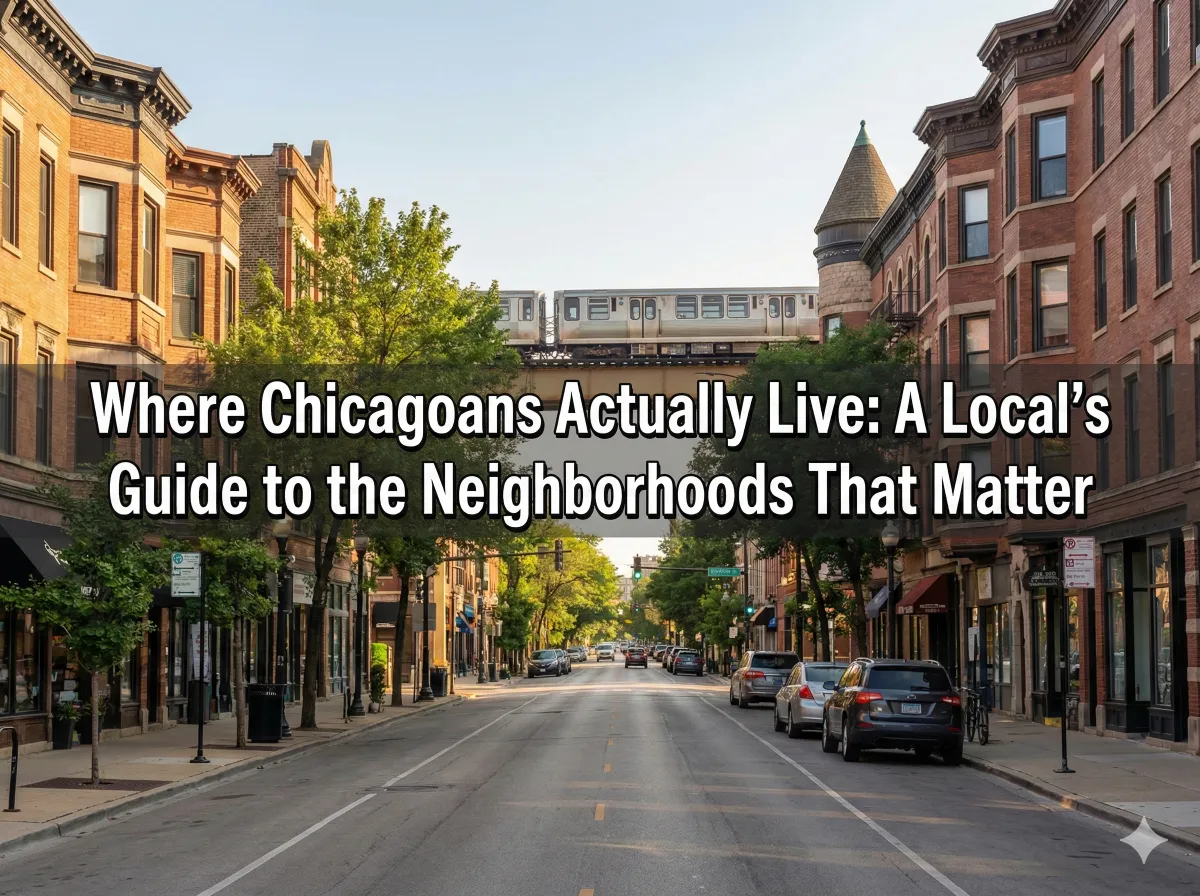
Where Chicagoans Actually Live: Inside the Neighborhoods Locals Love Most
The Chicago Neighborhoods Where Everyday Life Really Happens
You can visit Chicago and still miss it entirely.
Most people stay downtown, take a few photos, eat at the same places everyone else eats, and leave thinking they understand the city.
They don’t.
Chicago lives in its neighborhoods.
In morning coffee runs. School drop-offs. Weekend walks. Local patios. Block by block routines.
If you want to experience Chicago the way residents actually do, these are the neighborhoods that define daily life on the North Side and Northwest Side.
Lakeview

The all-arounder.
Lakeview is active, social, and incredibly convenient. You’ll find lakefront access, dense dining options, shopping, nightlife, and quieter residential streets all in one place. It works for people who want to walk everywhere and still have options every night of the week.
What people actually do here: long lakefront walks, casual dinners, gym classes, catching a Cubs game, meeting friends without planning ahead.
Getting around: Red, Brown, and Purple Lines make this one of the most connected areas in the city.
Lincoln Park

Polished but lived-in.
Lincoln Park balances classic Chicago architecture with everyday livability. Streets are lined with brownstones, parks are everywhere, and the lake is part of daily routine. It feels established without feeling stuffy.
What people actually do here: park strolls, zoo visits, neighborhood dining, shopping along Armitage, weekend brunch that turns into long walks.
Getting around: Brown, Purple, and Red Lines with easy lake access and north-south routes.
North Center

Quietly one of the most desirable.
North Center is calm, residential, and community-focused. People choose it for space, schools, and a slower pace while staying fully in the city.
What people actually do here: school pickups, park time, family dinners, neighborhood events, and routines that don’t require a car.
Getting around: Brown Line access and quick drives in every direction.
Roscoe Village

Charming without trying.
Roscoe Village feels like a small town tucked into Chicago. Shops, cafés, and restaurants cluster around walkable streets, and people tend to know their neighbors.
What people actually do here: casual dinners, weekend shopping, patio meetups, walking everywhere without checking directions.
Getting around: Brown Line nearby plus easy access to major roads.
Lincoln Square

Warm, welcoming, and grounded.
Lincoln Square moves at a slower pace, in the best way. It’s known for its sense of community, family-run businesses, and spaces where people linger.
What people actually do here: farmers markets, long dinners, bookstore browsing, neighborhood festivals, evening walks.
Getting around: Brown Line and Metra access make it surprisingly connected.
Ravenswood

Residential with creative edges.
Ravenswood blends historic homes, converted spaces, and tree-lined streets. It’s quieter than nearby neighborhoods but still full of character.
What people actually do here: brewery stops, neighborhood errands, dog walks, low-key nights out.
Getting around: Brown Line and Metra make commuting easy.
Andersonville

Independent and proud of it.
Andersonville is defined by small businesses, strong community ties, and a main street that actually feels local. It’s one of the city’s most distinct areas.
What people actually do here: shop local, linger at cafés, meet friends for dinner, walk without a plan.
Getting around: Red Line access plus frequent buses.
Buena Park

A hidden residential pocket.
Buena Park sits close to the lake and transit but feels calmer than its neighbors. Vintage buildings and quiet streets give it a tucked-away feel.
What people actually do here: lake walks, quiet evenings, easy access to nearby action without living in it.
Getting around: Red Line and express bus routes.
Bucktown
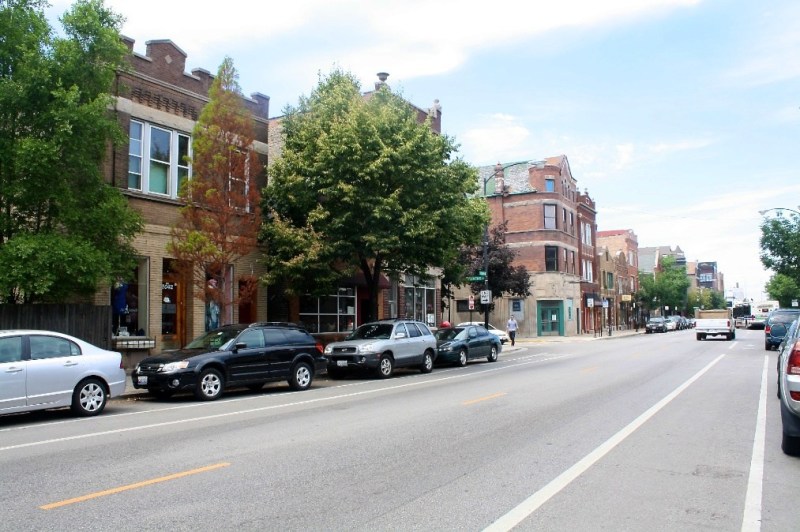
Stylish and settled.
Bucktown has evolved into a polished, livable neighborhood with great dining, residential streets, and creative roots still intact.
What people actually do here: dinner dates, neighborhood shopping, weekend strolls, meeting friends without crossing town.
Getting around: Blue Line access with quick downtown connections.
Wicker Park
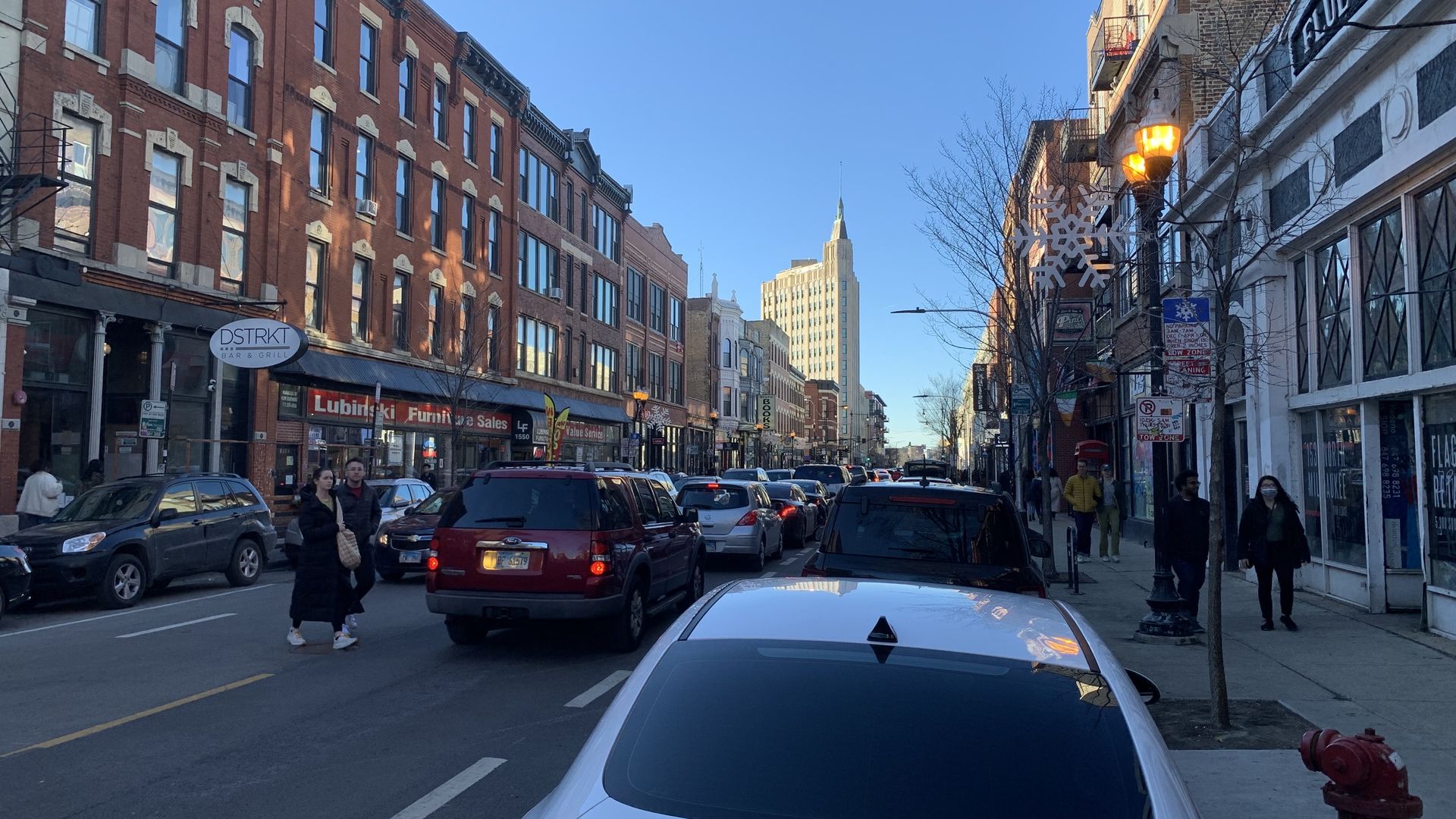
Always moving.
Wicker Park is energetic, expressive, and constantly evolving. It’s one of the city’s most recognizable neighborhoods for a reason.
What people actually do here: live music, shopping, coffee hopping, late dinners, people-watching.
Getting around: Blue Line makes it one of the easiest neighborhoods to navigate.
Avondale

Growth with authenticity.
Avondale offers more space and value while staying connected to the city’s creative core. It’s changing fast, but still grounded.
What people actually do here: explore new spots, enjoy quieter streets, commute easily while staying close to action.
Getting around: Blue Line and major road access.
Logan Square
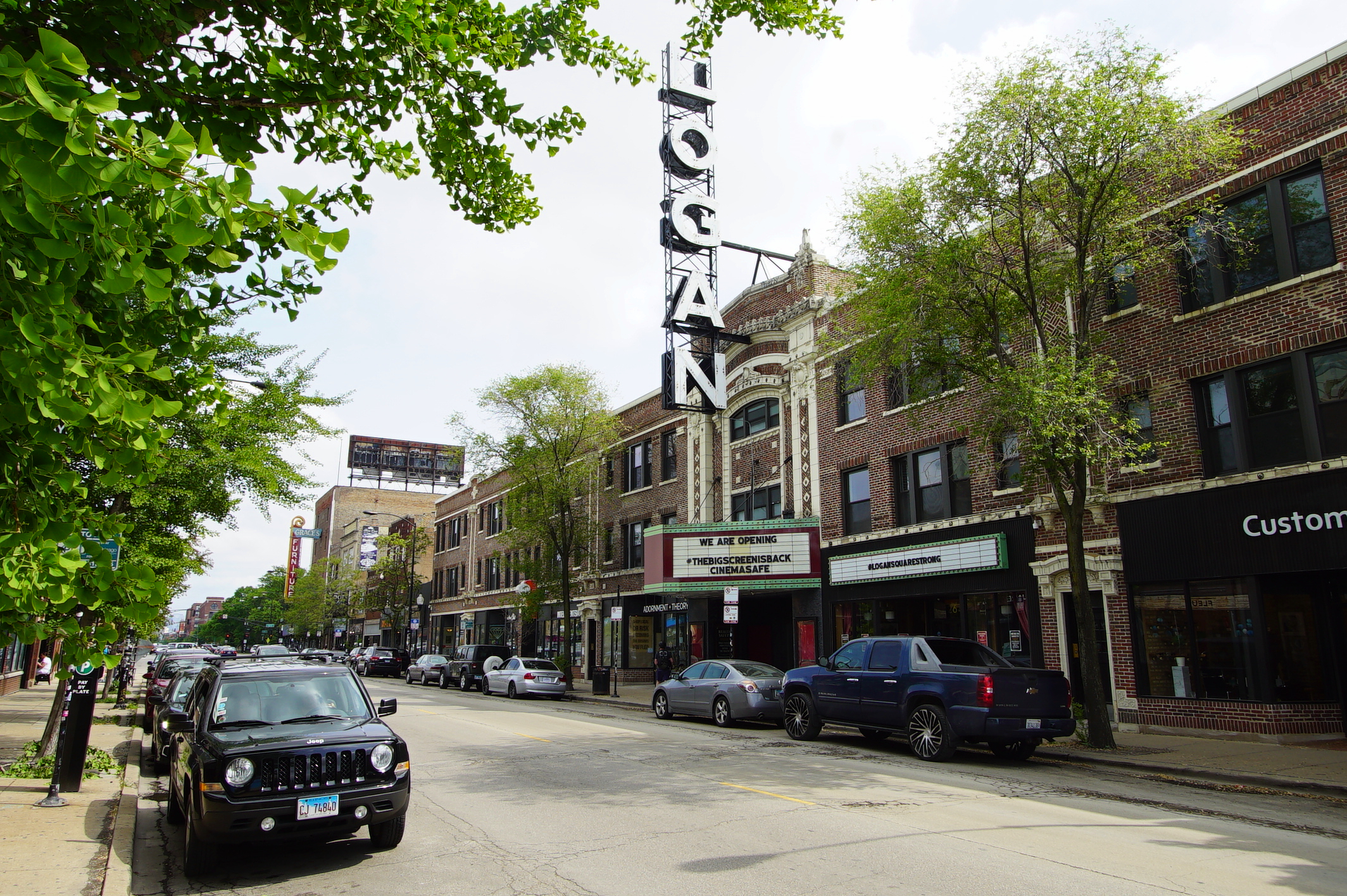
Layered and deeply local.
Logan Square blends historic boulevards with a strong food and arts scene. It feels lived-in, not curated.
What people actually do here: brunch that lasts all day, farmers markets, long walks, neighborhood bars.
Getting around: Blue Line with fast downtown access.
Final Thought
Chicago isn’t about checking boxes.
It’s about finding the neighborhood that fits how you actually live.
And that’s where local knowledge matters.
If you want real insight, honest guidance, and someone who truly knows these neighborhoods, I’m always here.
Your Chicago bestie, every block of the way.